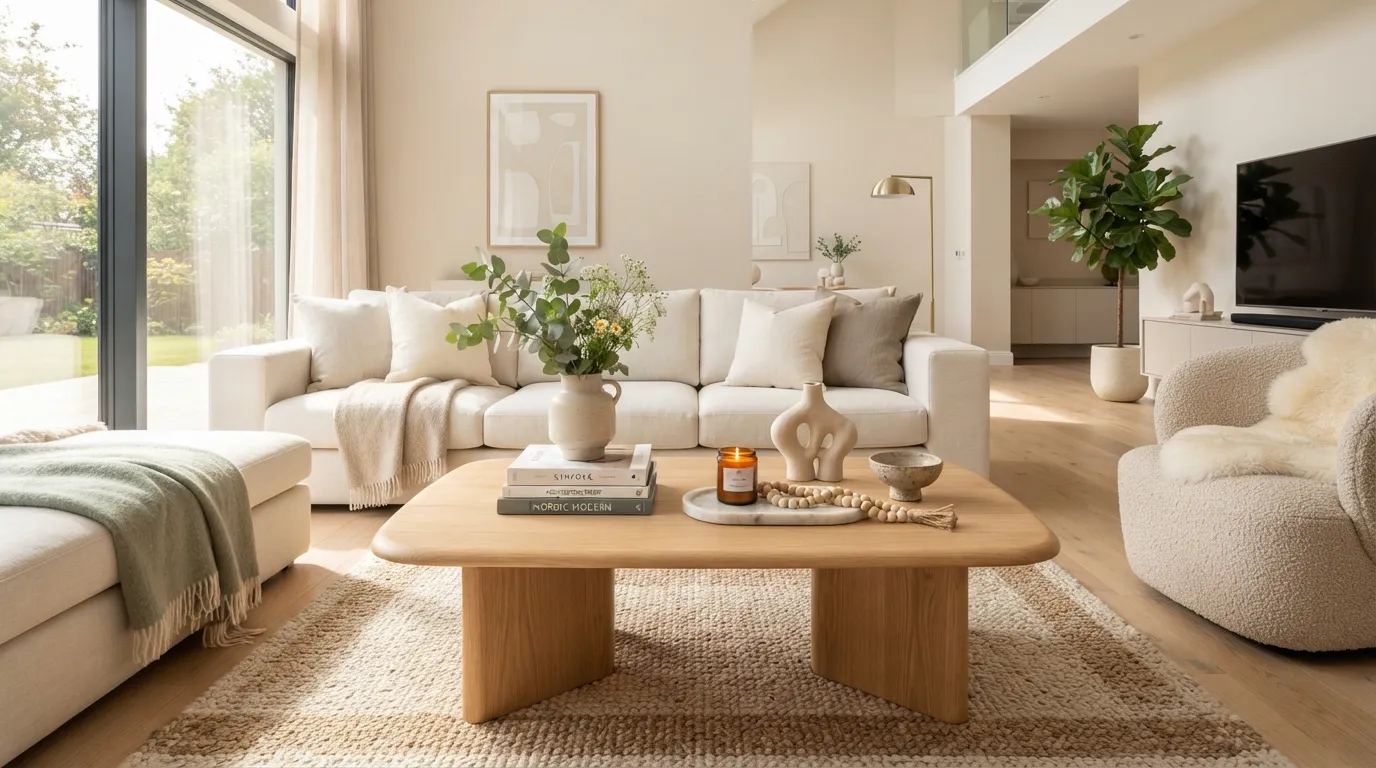
How to Master Coffee Table Styling Like a Professional?
Your living room deserves a centerpiece that feels both beautiful and effortless.
Coffee Table Styling is one of the easiest ways to transform an ordinary space into one that feels warm, welcoming, and professionally designed.
Whether your table always feels cluttered, unfinished, or simply lacks personality, you’re not alone.
Many homeowners struggle to find the right balance between beauty and function.
The good news is that you don’t need expensive décor or an interior designer to create a stunning display.
Small, intentional changes can completely reshape the look and feel of your living room.
In my experience, thoughtful layering, natural textures, and a few meaningful decorative pieces often make a bigger impact than filling a table with trendy accessories.
In this guide, you’ll discover 15 practical styling ideas that are easy to recreate in homes of every size and style.
From adding height and texture to choosing the perfect centerpiece and creating visual balance, each idea is designed to help you build a space that feels polished without losing comfort.
These Pinterest-worthy inspirations are also practical enough for everyday living, giving you confidence to style your table in a way that looks beautiful, feels personal, and stays functional for daily life.
Also visit: 20 Gorgeous Easter Decor Ideas for a Cozy Spring Refresh
1. Layered Heights
- Creates instant depth without making the table feel crowded.
- Draws the eye naturally across the display.
- Helps every decorative piece stand out instead of blending together.
- Gives the arrangement a polished, designer-inspired appearance.
- Makes even a simple table feel more intentional and balanced.
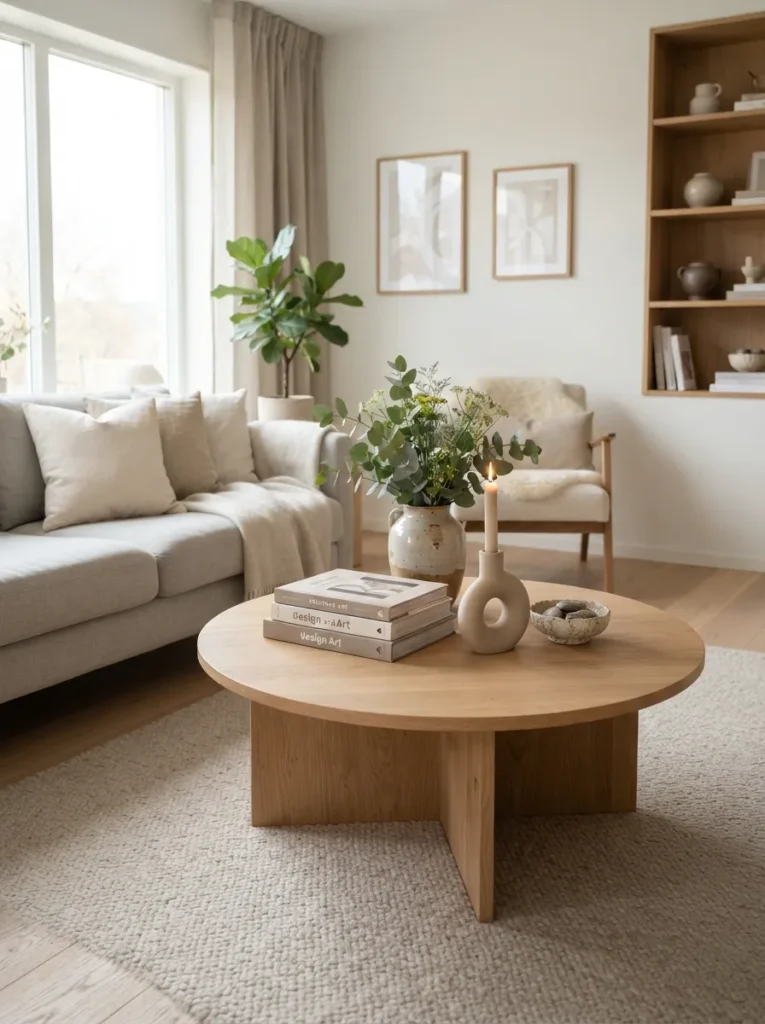
A beautifully styled table rarely depends on expensive decor because thoughtful height variation creates visual movement almost instantly.
Combining taller, medium, and lower objects prevents everything from sitting on the same visual plane, making the arrangement feel layered and inviting.
Start with a vase or candle holder as the tallest element, then add stacked books and finish with a shallow decorative tray or bowl.
This simple approach makes the entire setup feel curated while keeping everyday items practical and easy to reach during normal use around the room.
When experimenting with different heights, resist the urge to fill every empty space because breathing room is just as important as decoration.
In my experience, using only three or four pieces with varied proportions creates a stronger result than displaying many similar-sized accessories together.
The eye naturally travels from one object to another, giving the arrangement rhythm instead of clutter.
This small adjustment works beautifully in both compact apartments and spacious living rooms, instantly making the centerpiece appear thoughtfully designed and professionally arranged without overwhelming the surrounding furniture.
2. Decorative Trays
- Groups small accessories into one organized focal point.
- Makes everyday items look intentional and stylish.
- Simplifies cleaning by moving everything at once.
- Adds texture through wood, marble, metal, or woven materials.
- Helps the surface feel tidy without looking empty.
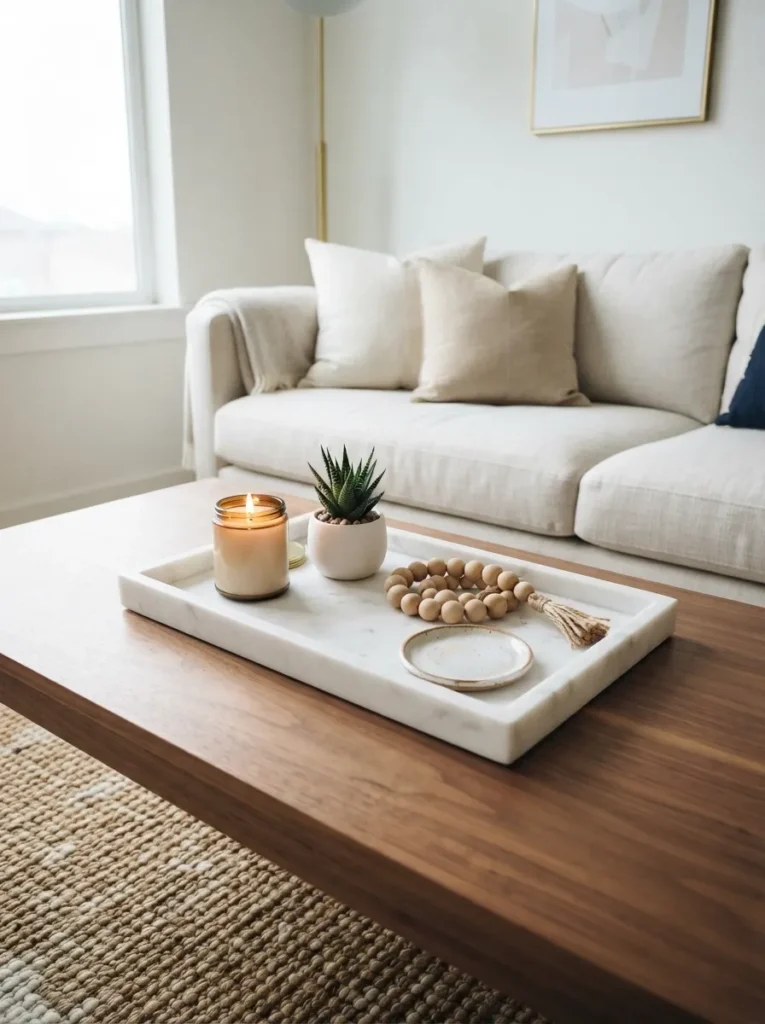
A decorative tray acts like a frame for your favorite accessories, giving every piece a clear place while keeping the tabletop organized.
Instead of scattering candles, remotes, coasters, or small plants across the surface, gather them into one attractive arrangement that feels cohesive and functional.
This technique instantly reduces visual clutter while creating a polished centerpiece.
Many designers recommend choosing a tray that complements nearby finishes so the entire seating area feels connected rather than filled with unrelated decorative objects competing for attention.
One reason this approach remains popular is that it blends beauty with everyday convenience.
I’ve noticed that homes with active family spaces especially benefit from trays because everything can be lifted together whenever extra surface space is needed.
Whether your style leans modern, rustic, coastal, or classic, the tray becomes a flexible foundation that evolves with the seasons.
It also encourages thoughtful decorating instead of constant rearranging, helping your living room maintain an inviting appearance with very little ongoing effort throughout the year.
3. Natural Greenery
- Brings freshness and natural color into the room.
- Softens hard furniture lines with organic shapes.
- Makes the living area feel brighter and more welcoming.
- Works beautifully with nearly every decorating style.
- Easily refreshes the display throughout different seasons.
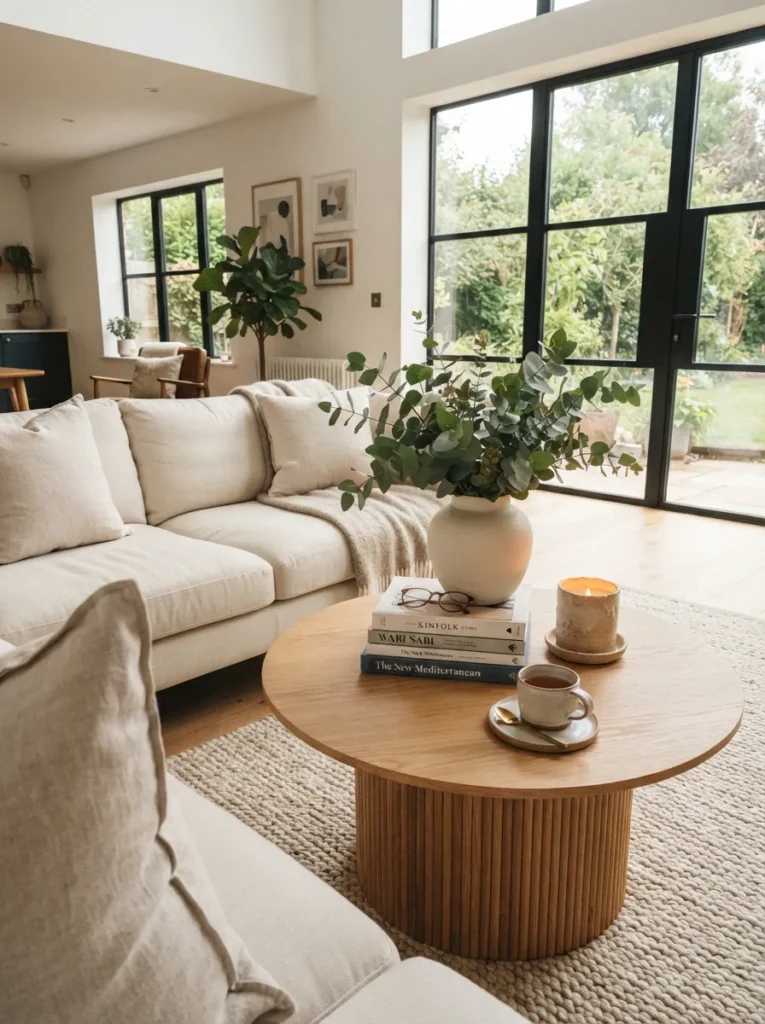
Fresh greenery introduces life and softness that decorative objects alone cannot achieve.
A simple arrangement of eucalyptus, olive branches, or seasonal flowers instantly brightens the table while adding natural movement and texture.
Even one small plant creates a welcoming atmosphere that feels relaxed rather than overly styled.
Coffee Table Styling becomes more inviting when living elements are included because they balance hard materials like wood, stone, metal, and glass, making the entire room appear warmer and more comfortable for daily living.
If maintaining fresh flowers feels difficult, realistic faux stems can provide a similar visual effect with almost no maintenance.
I’ve seen this work especially well in busy households where convenience matters just as much as appearance.
Choose greenery that matches the scale of your table instead of oversized arrangements that block conversation across the seating area.
A modest vase with thoughtfully selected stems creates elegance without dominating the space, allowing every surrounding decorative element to contribute to a balanced and harmonious overall design.
4. Stacked Books
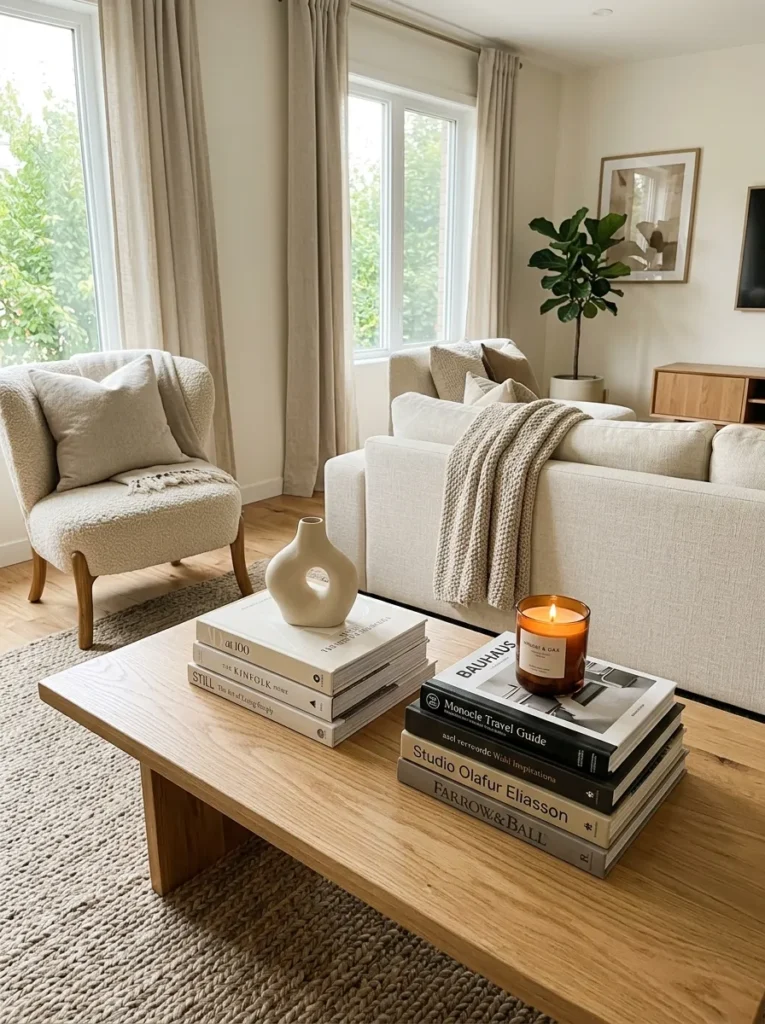
- Adds height without making the display feel bulky.
- Introduces personality through carefully chosen book covers.
- Creates an easy platform for smaller decorative accents.
- Makes the arrangement feel collected rather than random.
- Encourages guests to browse beautiful design books.
A stack of well-chosen books instantly gives the tabletop more structure while creating opportunities to layer decorative accents naturally.
Select two or three hardcover books with attractive spines or neutral covers that reflect your interests, whether interior design, travel, photography, or art.
Place a small sculpture, candle, or decorative object on top to create visual balance without overwhelming the arrangement.
This combination feels thoughtful instead of staged, making the living room look stylish while still reflecting everyday personality and genuine interests.
Books also make decorating more flexible because they can easily adjust the height of surrounding accessories.
In my experience, changing only the top decorative object throughout the year keeps the entire display feeling fresh without replacing every element.
That’s why many designers recommend investing in timeless coffee table books rather than trendy accessories that quickly feel outdated.
The result is an elegant arrangement that feels personal, practical, and visually balanced while remaining simple enough to refresh whenever your decorating style evolves.
5. Organic Textures
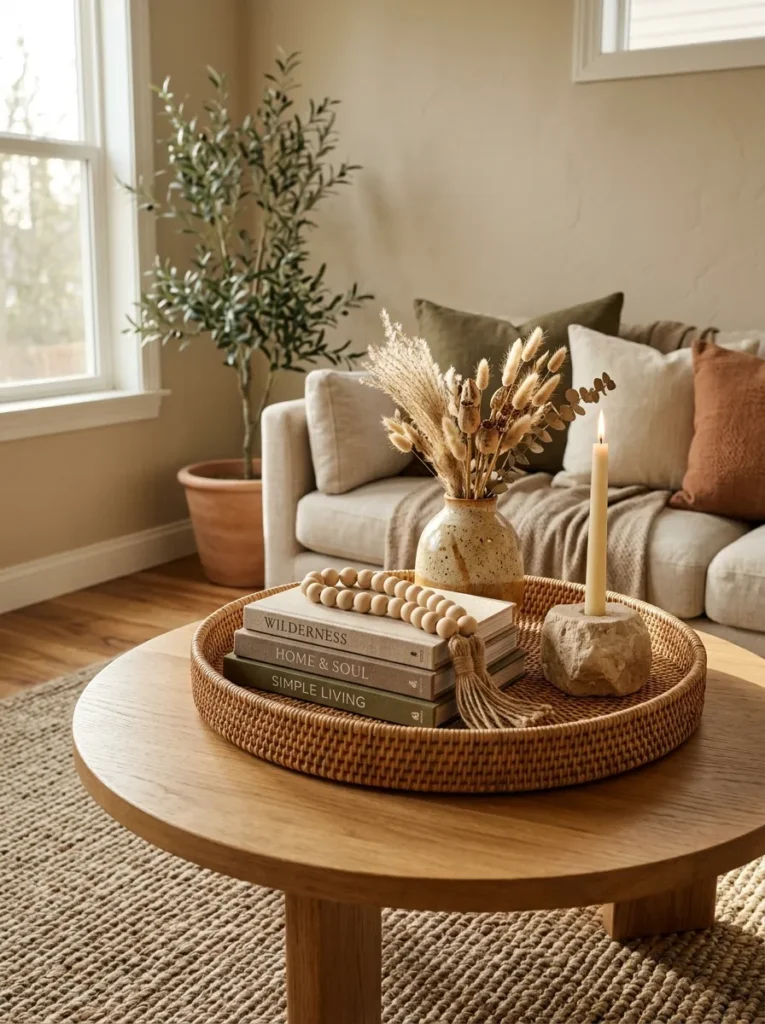
- Adds warmth without relying on bold colors.
- Creates depth through natural materials and finishes.
- Makes the space feel comfortable and inviting.
- Softens sleek furniture with handcrafted details.
- Builds a layered, designer-inspired look effortlessly.
Mixing natural materials brings richness that flat, matching surfaces often lack.
Woven baskets, ceramic pottery, wood accents, linen, and stone each contribute subtle texture while keeping the arrangement calm and cohesive.
Instead of focusing only on color, pay attention to how each material feels visually.
This layered approach creates a welcoming centerpiece that looks collected over time rather than purchased all at once.
Even a neutral palette becomes more interesting when different textures interact naturally under soft lighting.
I’ve noticed that textured accessories photograph especially well, which is one reason they perform strongly in Pinterest-inspired interiors.
Gentle contrasts between smooth ceramics, woven fibers, and warm wood create depth from every angle without making the display appear busy.
This technique also adapts beautifully across modern, farmhouse, coastal, and Scandinavian homes.
By choosing quality materials instead of excessive decoration, the entire seating area feels more refined, comfortable, and intentionally designed for both everyday living and special gatherings.
6. Balanced Symmetry
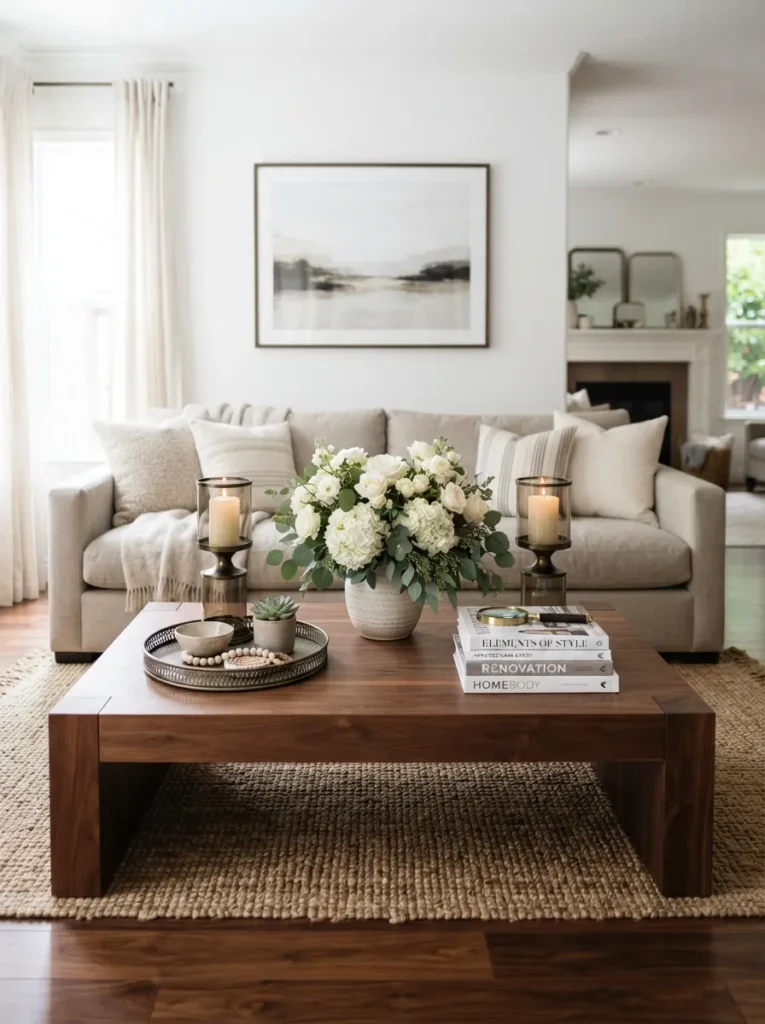
- Creates a calm and organized focal point.
- Makes larger tables feel intentional and complete.
- Helps the room appear more polished instantly.
- Keeps decorative elements visually balanced.
- Works especially well in formal living spaces.
Symmetry creates an immediate sense of order, making even simple decorations appear more refined.
Start by placing a larger centerpiece in the middle, then balance each side with accessories that share similar size or visual weight.
The pieces do not have to match perfectly because similar proportions often create a softer, more relaxed effect.
Coffee Table Styling benefits from this method when you want the room to feel elegant, welcoming, and naturally balanced without appearing overly formal or carefully staged.
A symmetrical arrangement is especially helpful for larger rectangular tables because it prevents one side from feeling visually heavier than the other.
I’ve seen this work well in family rooms where multiple seating areas surround the table, allowing the display to look attractive from every direction.
If the arrangement feels too perfect, introduce one organic element such as fresh greenery or a textured ceramic piece to soften the composition.
This small adjustment keeps the overall design polished while maintaining warmth and everyday livability.
7. Statement Centerpiece
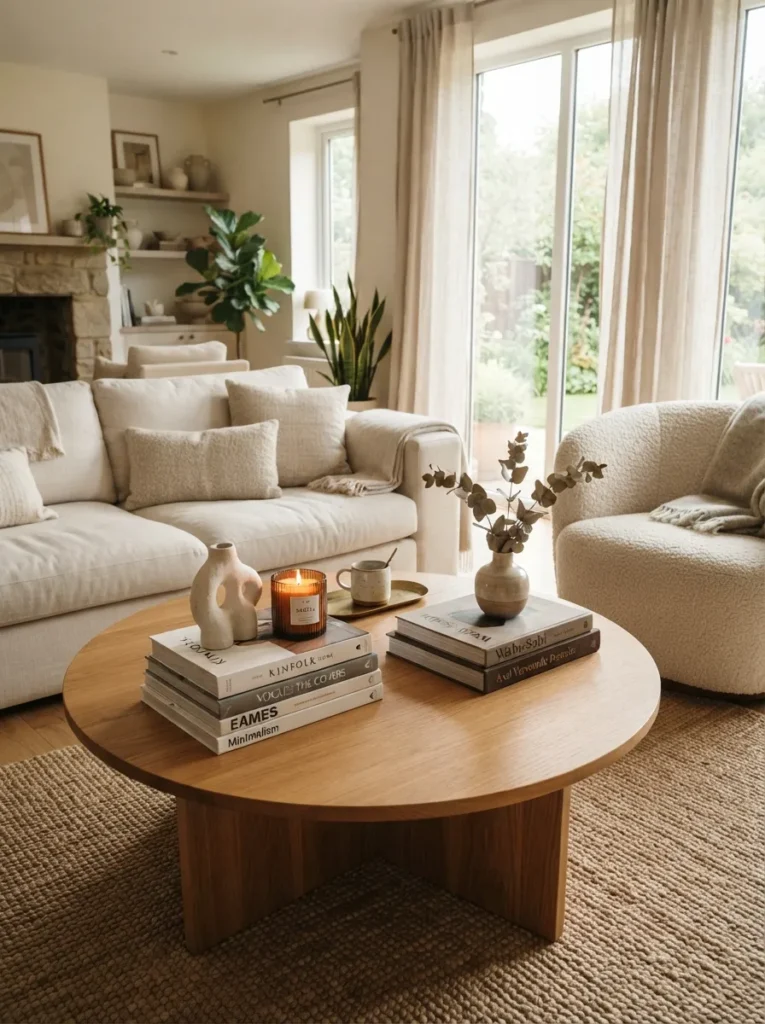
- Creates one strong focal point that anchors the table.
- Reduces the need for excessive decorative accessories.
- Gives the space a refined, designer-inspired appearance.
- Makes styling feel intentional instead of crowded.
- Works beautifully in both small and spacious living rooms.
Every memorable tabletop benefits from one standout piece that immediately catches the eye.
A sculptural vase, oversized candle, artistic bowl, or unique decorative object can become the visual anchor for the entire arrangement.
Once the main feature is in place, surround it with only a few complementary accents instead of competing statement pieces.
This approach creates harmony while allowing each item to shine naturally.
The finished display feels elegant, balanced, and welcoming without requiring a large collection of decorative accessories.
I’ve noticed that many beautifully designed homes rely on restraint rather than quantity.
Choosing one meaningful centerpiece often creates a stronger impression than filling every corner with décor.
Keep nearby objects lower in height and simpler in style so the focal piece remains the star of the arrangement.
This technique also makes seasonal decorating easier because you can refresh just one accent while keeping the rest of the display consistent, saving both time and decorating budget throughout the year.
8. Seasonal Accents
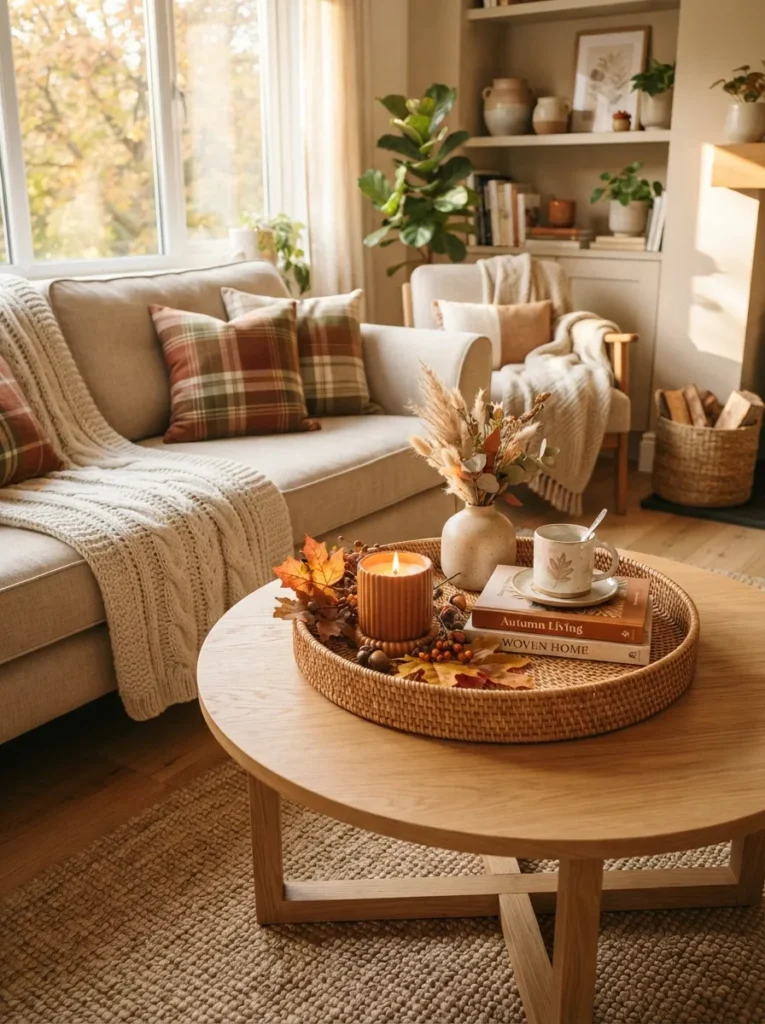
- Refreshes the space without a complete redesign.
- Brings seasonal charm into everyday living.
- Keeps the room feeling current all year.
- Allows easy updates using small decorative pieces.
- Adds personality while maintaining a cohesive look.
Changing a few carefully selected accents each season keeps your living room feeling fresh without replacing the entire display.
Swap candles, greenery, decorative beads, or small bowls to reflect spring blooms, summer textures, autumn tones, or winter warmth.
These subtle updates create excitement while preserving the overall layout you already love.
Coffee Table Styling becomes more enjoyable when the foundation stays consistent and only a handful of decorative details change throughout the year.
In my experience, seasonal decorating works best when it feels subtle rather than themed.
A single branch of fresh greenery, a textured candle, or a bowl filled with natural elements often has more impact than an overload of holiday décor.
This balanced approach keeps the space timeless while still celebrating changing seasons.
It also photographs beautifully for Pinterest because the arrangement feels authentic, stylish, and easy for readers to recreate in their own homes.
9. Negative Space
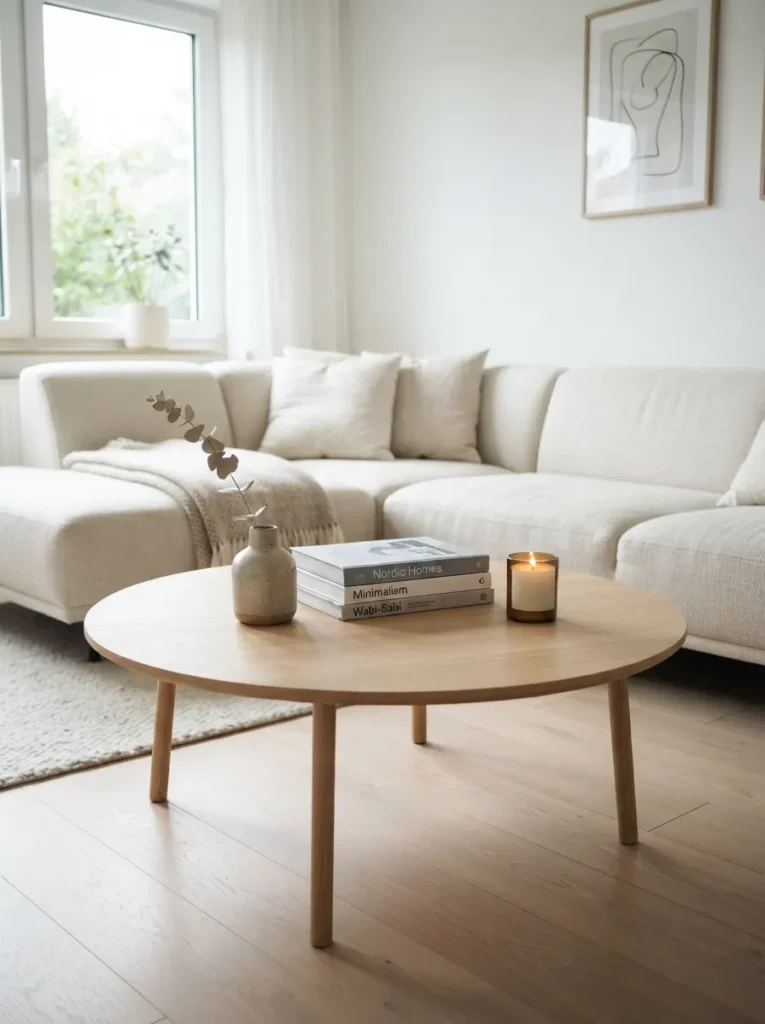
- Prevents the table from looking cluttered.
- Helps every decorative item receive more attention.
- Creates a calm and airy atmosphere.
- Makes cleaning and everyday use much easier.
- Gives the room a modern, sophisticated appearance.
One of the easiest ways to elevate a tabletop is by leaving part of it intentionally empty.
Open space allows decorative objects to breathe, making each piece feel more important and visually appealing.
Instead of filling every available inch, choose a few meaningful accessories and arrange them with comfortable spacing.
The result feels relaxed, organized, and effortlessly elegant.
Empty areas also provide practical room for drinks, books, or everyday activities without disturbing the decorative arrangement.
That’s why many designers recommend editing rather than adding when a display feels unfinished.
I’ve seen beautifully styled tables become even more attractive simply by removing one or two unnecessary accessories.
The remaining pieces instantly appear more intentional, creating a cleaner and more sophisticated look.
Whether your home leans modern, traditional, or cozy, generous spacing helps every decorative element stand out while making the living room feel brighter, calmer, and easier to enjoy every day.
10. Mixed Materials
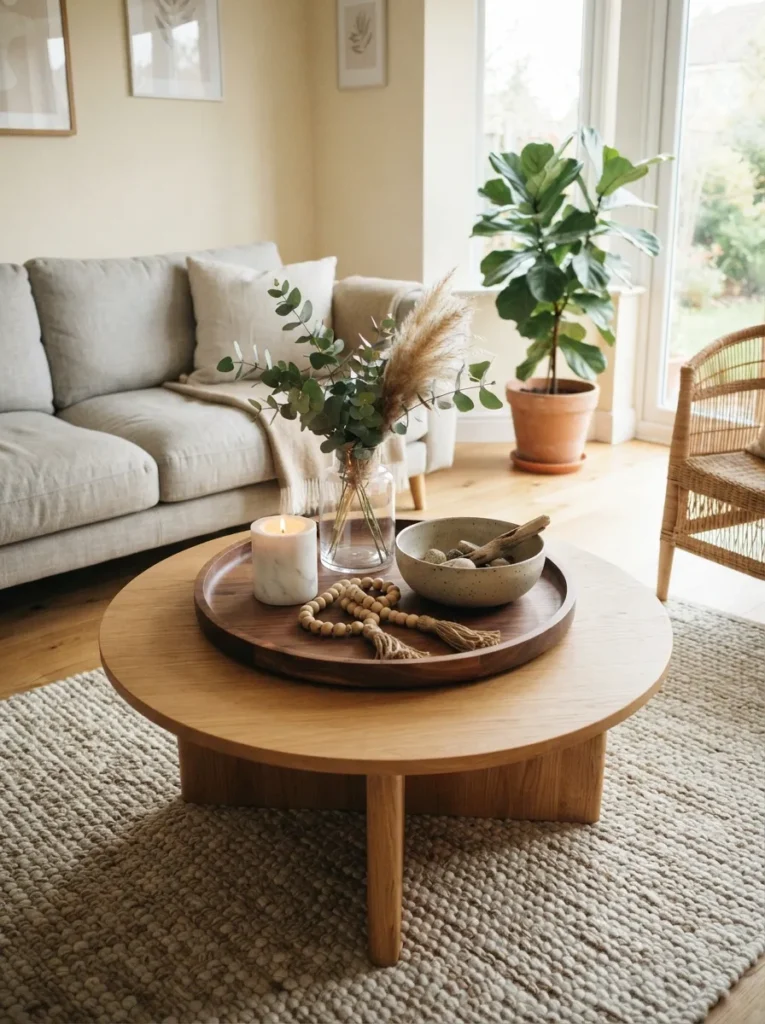
- Adds depth through contrasting finishes and textures.
- Keeps neutral spaces from feeling flat.
- Creates a collected, designer-inspired appearance.
- Makes simple accessories feel more luxurious.
- Blends beautifully with nearly every decorating style.
Combining different materials gives a tabletop richness that matching accessories often cannot achieve.
Pair warm wood with smooth marble, soft woven fibers, clear glass, or handcrafted ceramics to create gentle contrast without overwhelming the space.
Each material reflects light differently, adding subtle visual interest throughout the day.
Rather than relying on bold colors, this approach creates depth through texture and finish, making the arrangement feel timeless, balanced, and naturally sophisticated in both modern and traditional living rooms.
I’ve found that limiting the display to three or four materials keeps everything cohesive while still creating enough variety to capture attention.
Too many finishes can compete with one another, but a thoughtful combination feels intentional and calming.
This method also makes it easier to introduce new decorative pieces over time because the overall palette remains flexible.
Even inexpensive accessories appear more refined when they are paired with complementary textures that highlight their individual character.
11. Personal Touches
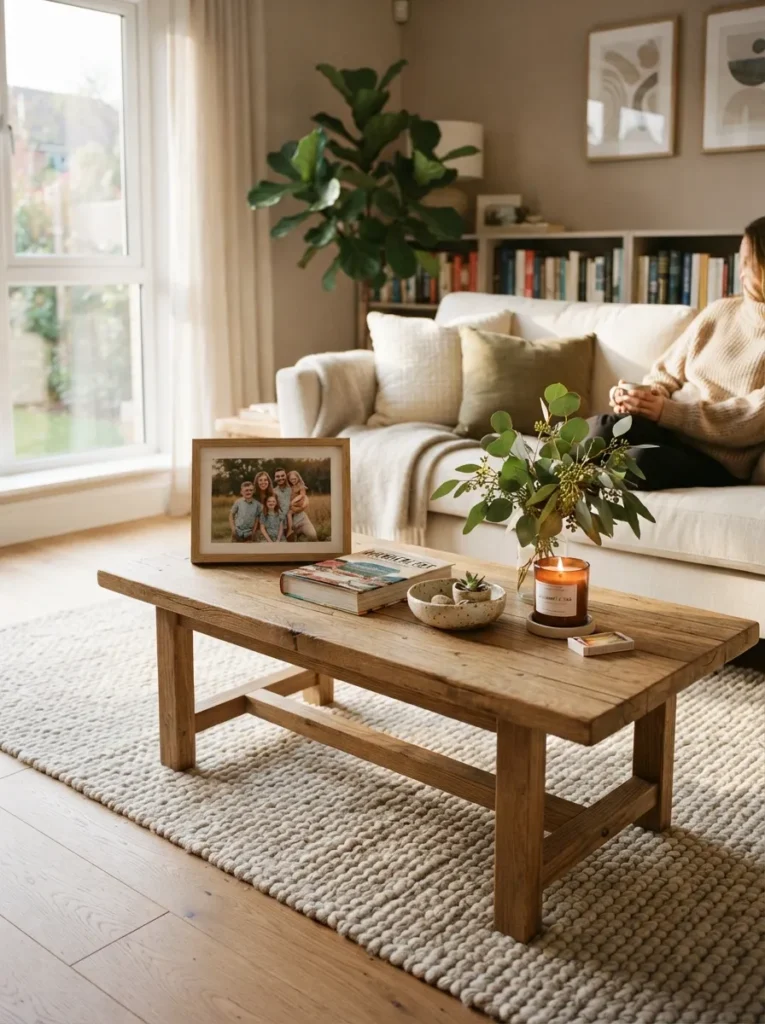
- Makes the living room feel warm and authentic.
- Reflects your personality without overwhelming the design.
- Turns everyday décor into meaningful conversation pieces.
- Balances style with genuine comfort.
- Creates a welcoming atmosphere for family and guests.
The most memorable living rooms often include details that tell a personal story.
A favorite travel book, a handmade pottery piece, a framed photograph, or a meaningful keepsake adds character while making the arrangement feel unique.
Instead of copying every trend exactly, include a few items that genuinely reflect your experiences and interests.
These thoughtful additions create a welcoming atmosphere that feels lived in, comfortable, and beautifully individual rather than perfectly staged for display.
In my experience, personal pieces are often the items guests notice first because they naturally invite conversation.
Keeping these accents simple allows them to complement the surrounding décor without dominating the entire table.
Rotate meaningful objects occasionally to keep the display feeling fresh while preserving the overall design.
This balance between decorative styling and personal expression helps the space remain timeless, creating a home that feels both elegant and genuinely connected to the people who live there.
12. Soft Candlelight
- Adds warmth and a relaxing evening atmosphere.
- Creates a cozy focal point after sunset.
- Complements both modern and traditional interiors.
- Brings gentle contrast to natural textures.
- Makes everyday gatherings feel more inviting.
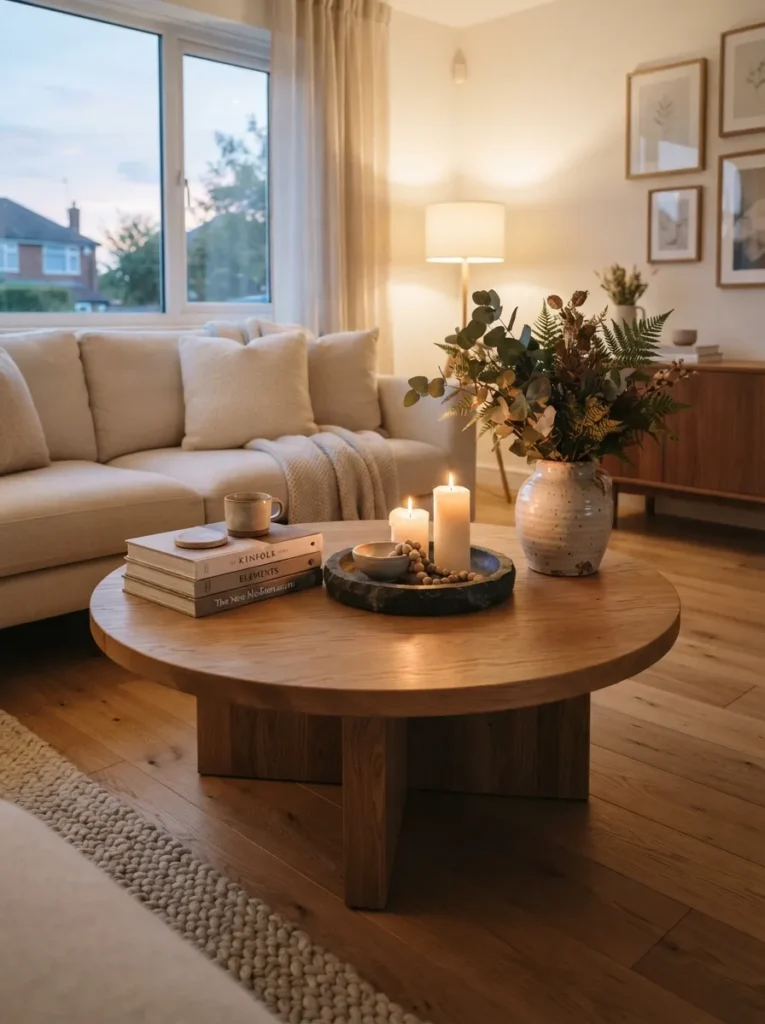
Lighting changes the way every decorative arrangement feels, and candles are one of the easiest ways to introduce warmth.
Whether displayed individually or grouped together on a decorative tray, they soften the entire seating area with a welcoming glow.
Choose unscented candles for everyday styling or lightly scented options for special occasions.
Their gentle illumination highlights surrounding textures, making wood, ceramics, and greenery appear richer while creating an inviting atmosphere for quiet evenings or casual gatherings with family.
I’ve noticed that candles work best when combined with accessories of different heights and materials instead of standing alone.
During the day they contribute sculptural beauty, while in the evening they completely transform the mood of the room.
Battery-operated versions can achieve a similar effect if convenience or safety is a priority.
This simple addition makes the living space feel calmer, more comfortable, and effortlessly elegant without requiring any major decorating changes.
13. Balanced Color Palette
- Creates a calm and cohesive visual flow.
- Helps every decorative piece work together naturally.
- Prevents the tabletop from feeling overly busy.
- Makes seasonal updates easier without starting over.
- Gives the room a polished, timeless appearance.
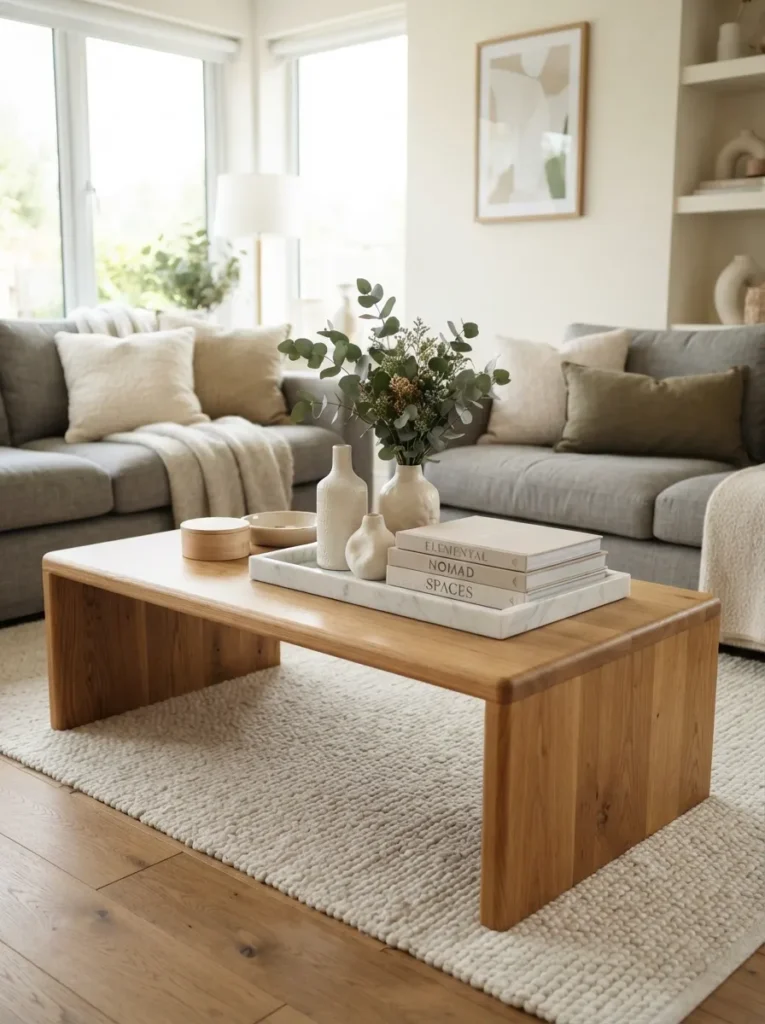
A consistent color palette brings harmony to the entire arrangement, allowing each decorative piece to complement the next instead of competing for attention.
Choose two or three main shades, then introduce subtle variations through texture and material rather than bold color changes.
Soft neutrals, earthy greens, warm browns, or muted black accents work beautifully together while maintaining a sophisticated look.
This approach creates a peaceful centerpiece that feels carefully planned yet relaxed enough for everyday living.
I’ve seen this work especially well in homes where the living room connects with nearby spaces.
Repeating similar tones across pillows, rugs, artwork, and tabletop accessories creates a seamless visual transition throughout the room.
Small pops of color can still be included through fresh flowers or seasonal accents, but the overall palette remains balanced.
This simple strategy helps the space feel brighter, larger, and more inviting while making future decorating decisions much easier.
14. Functional Essentials
- Keeps everyday necessities neatly organized.
- Blends practical items with decorative accents.
- Reduces visible clutter around the seating area.
- Makes the table easier to use every day.
- Maintains style without sacrificing convenience.
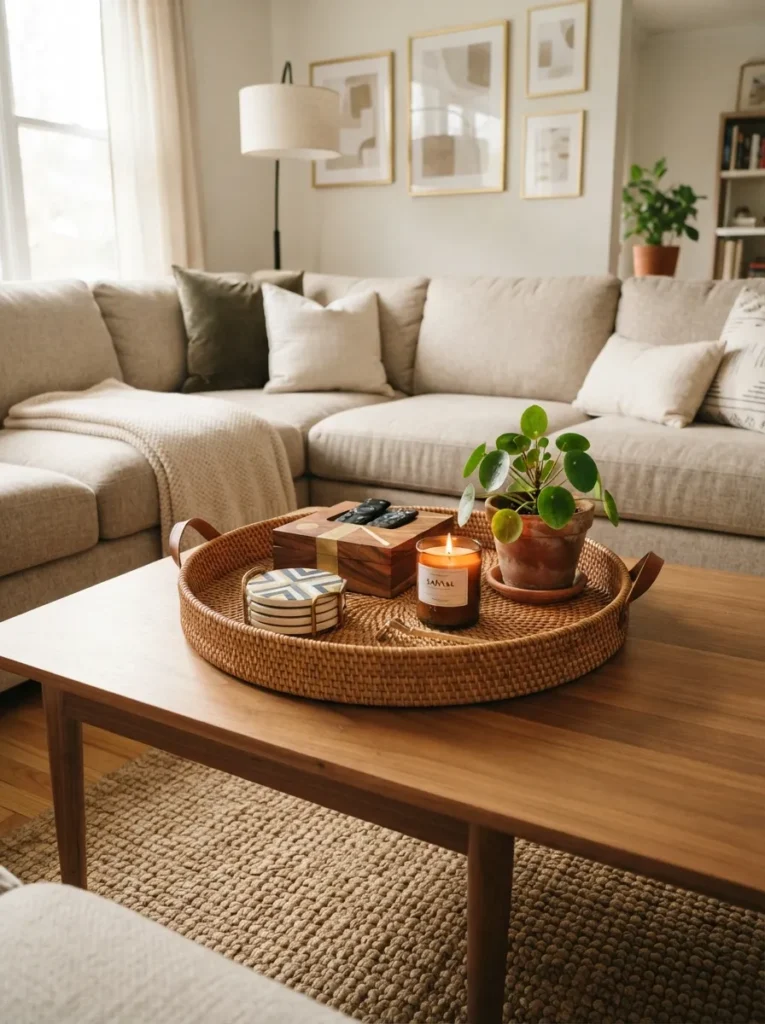
Beautiful decorating should also support everyday living. Instead of hiding useful items completely, incorporate them into the arrangement with intention.
Store remotes inside a decorative box, display attractive coasters on a tray, or keep a favorite magazine within easy reach.
Coffee Table Styling becomes far more practical when decorative choices also improve daily routines.
The result is a tabletop that looks polished while remaining comfortable, functional, and ready for real life.
That’s why many designers focus on balancing beauty with purpose instead of choosing one over the other.
In my experience, the most successful arrangements are the ones people can actually live with every day.
Thoughtfully selected functional accessories reduce clutter while preserving the clean appearance of the room.
When everything has a designated place, maintaining the display becomes quick and effortless, allowing the space to stay welcoming without constant rearranging.
15. Thoughtful Editing
- Keeps the arrangement fresh and uncluttered.
- Highlights the beauty of every decorative piece.
- Prevents visual overload as new décor is added.
- Encourages intentional decorating choices.
- Creates a timeless, elegant finish.
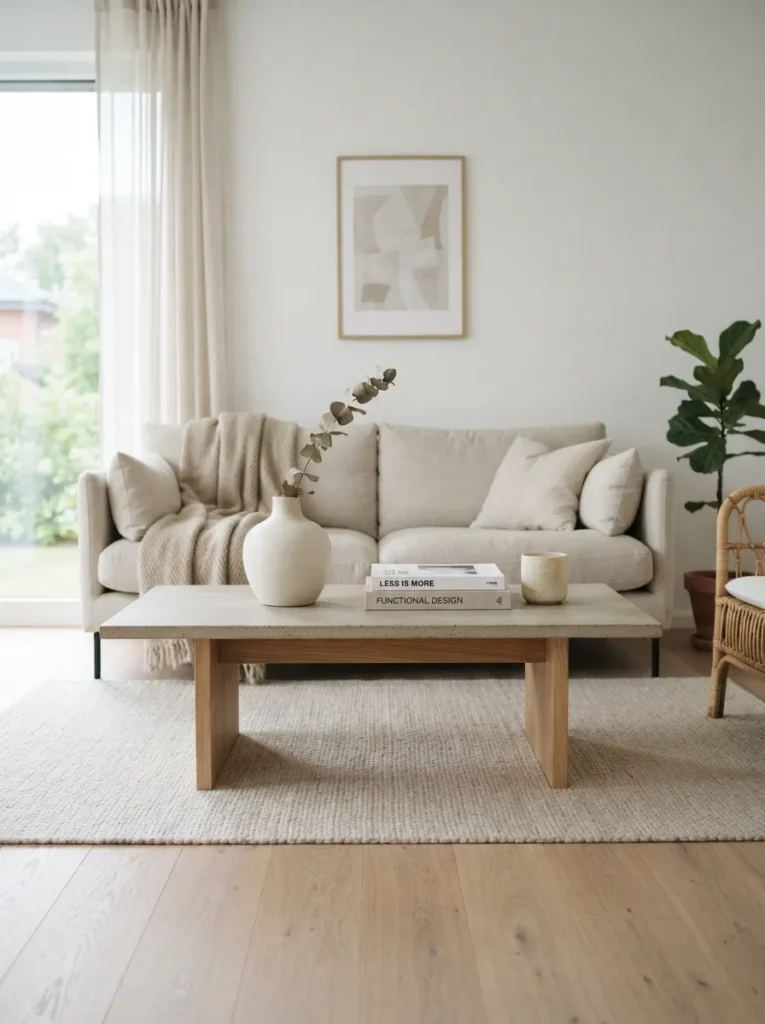
The final step in creating a polished tabletop is knowing when to stop adding decorations.
After arranging your favorite pieces, step back and view the table from different angles around the room.
Remove anything that feels unnecessary or distracts from the overall balance.
Simple edits often create the biggest improvement because every remaining item receives more visual attention.
A carefully refined display always feels more sophisticated than one filled with accessories competing for space.
I’ve noticed that the most inspiring living rooms rarely feature the most decorations.
Instead, they showcase carefully selected pieces that work together naturally while leaving room for everyday life.
Taking a few minutes to review your arrangement every season helps maintain a fresh appearance without constantly buying new décor.
This thoughtful habit keeps your home feeling stylish, comfortable, and personal, proving that great design often comes from choosing less instead of adding more.
Conclusion
A beautifully styled coffee table isn’t about buying more decorations—it’s about making thoughtful choices that bring balance, warmth, and personality into your home.
From layered heights and natural greenery to functional accessories and intentional editing, each idea helps create a space that feels inviting and uniquely yours.
Coffee Table Styling becomes much easier when you focus on simple, timeless details that work together naturally.
I’ve seen how a few carefully placed accents can completely transform a room.
Save this guide on Pinterest for future inspiration, try your favorite ideas at home, and share it with someone who loves creating beautiful living spaces.